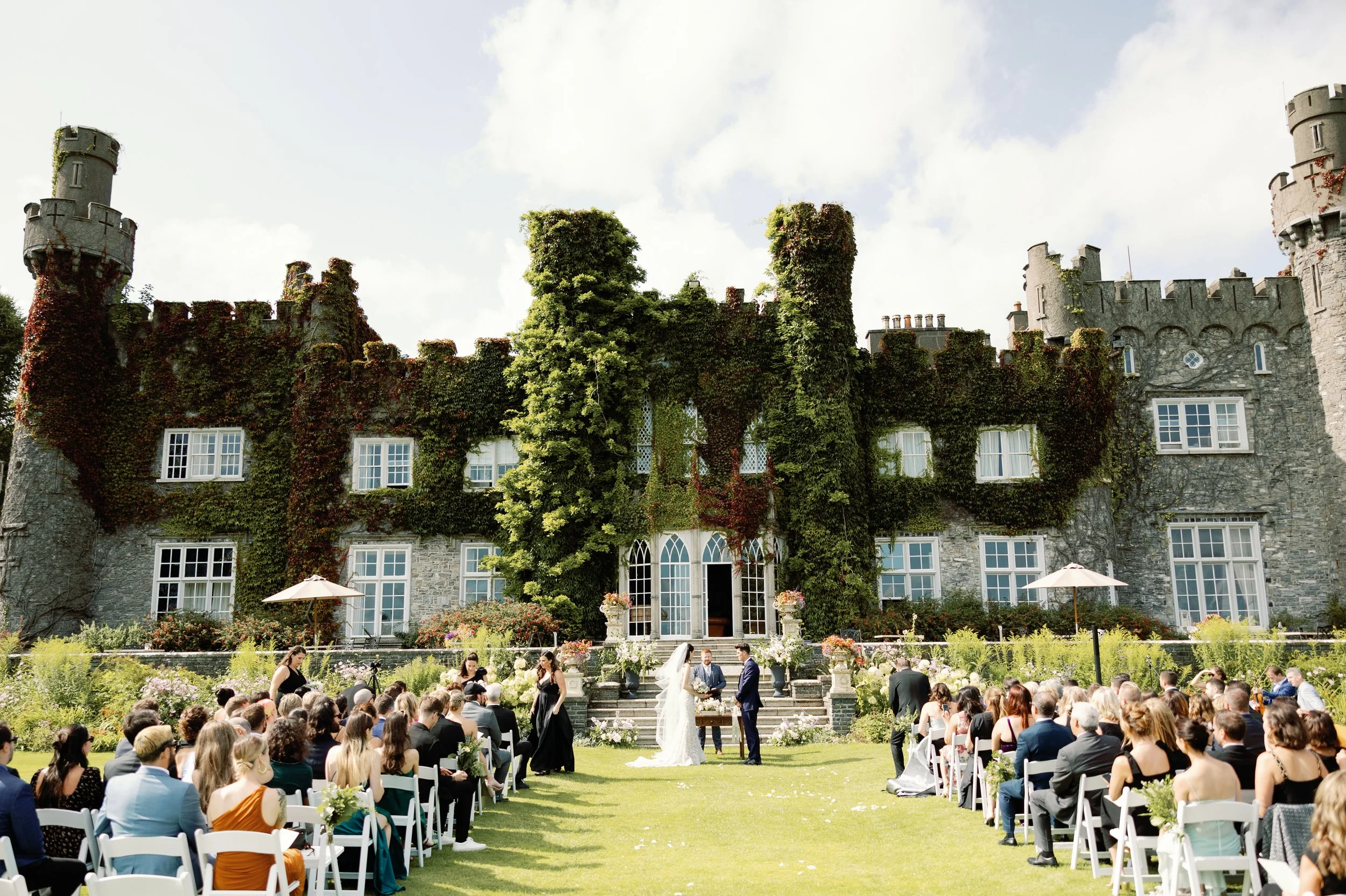
How to choose a wedding venue
The ultimate guide for couples


Choosing a wedding venue is one of the most exciting — and often most overwhelming — steps in planning your big day. Your venue sets the tone for everything else: the style of your celebration, your budget, even the types of suppliers you’ll need. Whether you’ve always pictured a fairy-tale castle, a rustic barn, a chic city hotel, or a clifftop view of the Atlantic, your venue is the backdrop to the memories you’ll treasure for a lifetime.
In Ireland, couples are spoiled for choice. From candlelit castles to coastal retreats, from lush gardens to urban rooftops, there’s a location for every style and budget. But with so many options, how do you narrow it down to the one that feels like yours?
This guide walks you through everything you need to consider — from logistics to guest comfort to those little emotional touches that make a venue feel like “the one.”
1. Start with your vision
Before you dive into spreadsheets and site visits, take a step back. What kind of atmosphere do you imagine for your day?
Formal vs. relaxed: Do you picture a black-tie evening or a laid-back garden party?
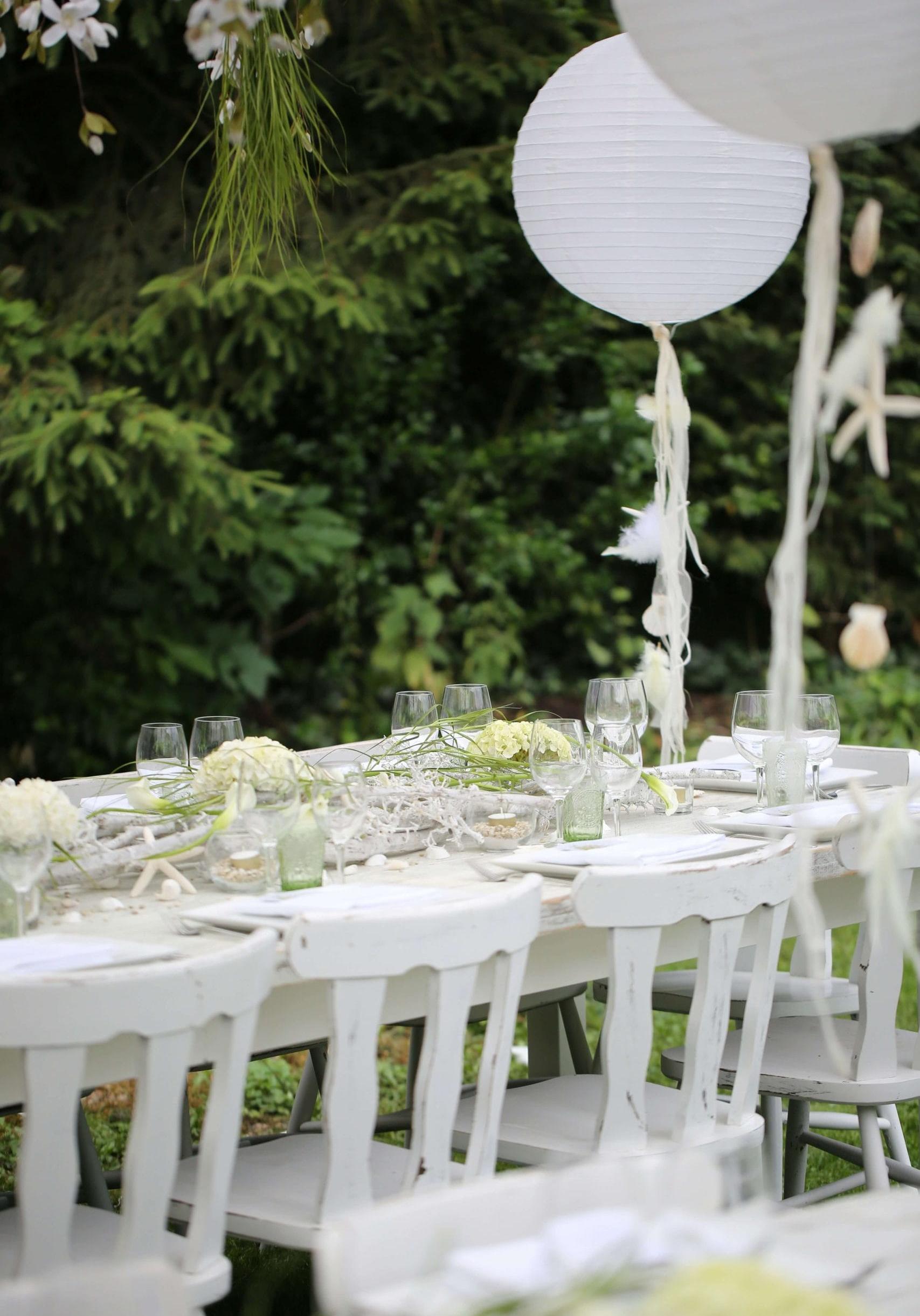
Big celebration vs. intimate gathering: Is it 250 people dancing until 2am, or 25 guests around a long table sharing wine?
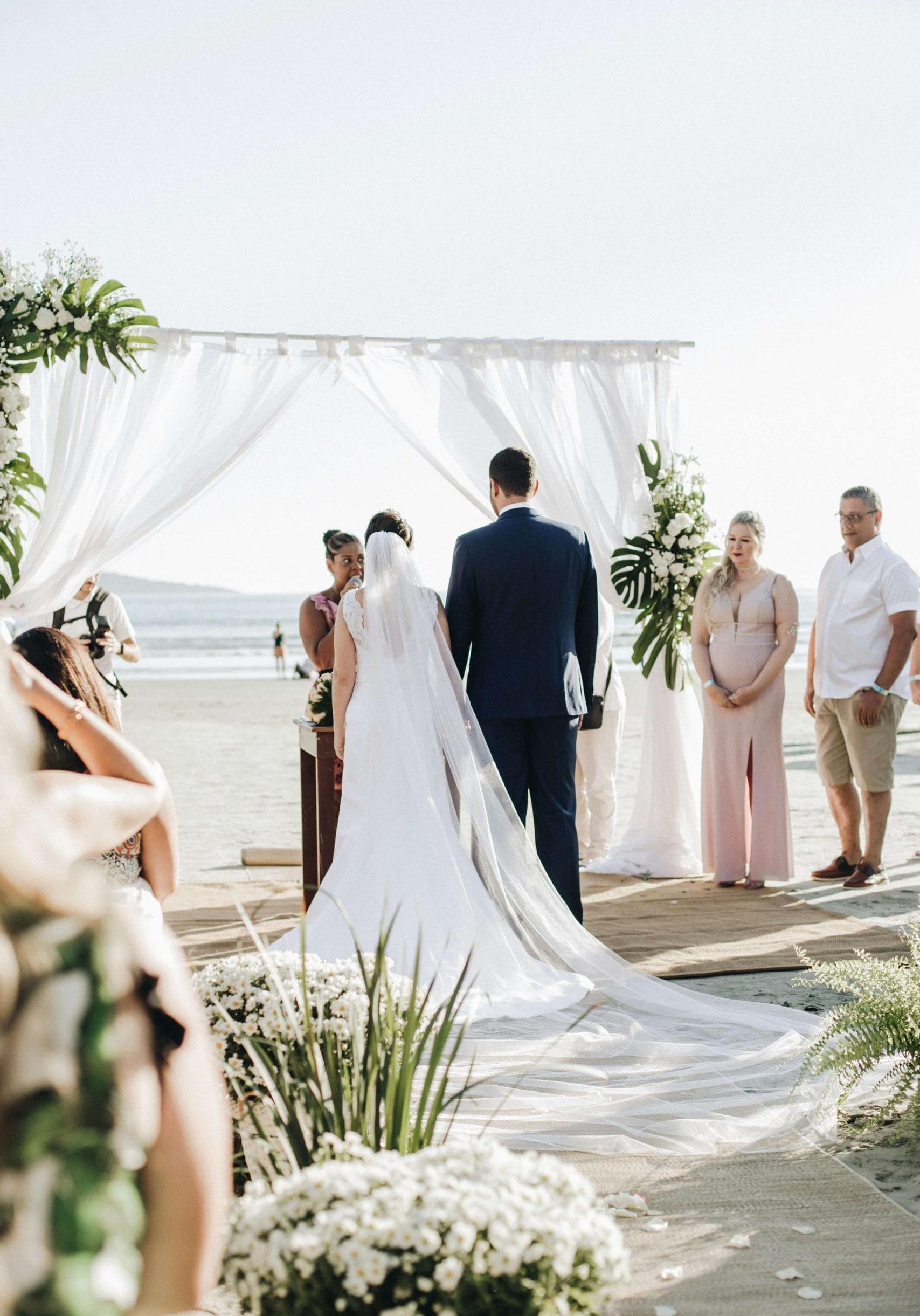
Indoor vs. outdoor: Irish weather can be unpredictable, so think about whether you’re willing to risk an outdoor ceremony, or if you want a venue with both indoor and outdoor options.
Traditional vs. alternative: Castles and country houses are popular, but industrial lofts, restaurants, and even theatres are increasingly on trend.
Write down three or four words that capture the “feel” you want. This becomes your compass when comparing venues.
2. Set a realistic budget
Your venue is likely to be one of the biggest wedding expenses, often taking 40–50% of the budget. Costs vary hugely depending on location, capacity, and what’s included.
City hotels and large country estates can range from €12,000–€25,000 for packages (including catering).
Boutique venues or barns may offer more flexibility but require outside catering, which adds up quickly.
Destination locations (like a coastal retreat or castle in the West of Ireland) can involve extra transport and accommodation costs for guests.
Top tip: Always ask what’s included — catering, décor, drinks packages, VAT, and even late bar fees. Two venues with similar base prices can differ by thousands once hidden extras are factored in.
3. Consider location and accessibility
Ireland’s landscape is one of its biggest selling points, but it can also present challenges. A remote castle might be magical, but is it practical for your guests?
Ask yourself:
- How easy is it to get to from major airports or cities?
- Are there hotels, B&Bs, or Airbnbs nearby for guests?
- Will you need to organise buses or shuttles?
- Is the venue wheelchair accessible?
For couples with international guests, being within an hour of Dublin, Cork, or Shannon airports can make travel smoother. But if your heart is set on the wild beauty of Donegal or Kerry, consider making transport part of the adventure — charter buses, create detailed maps, and suggest accommodation options.
4. Think about guest numbers
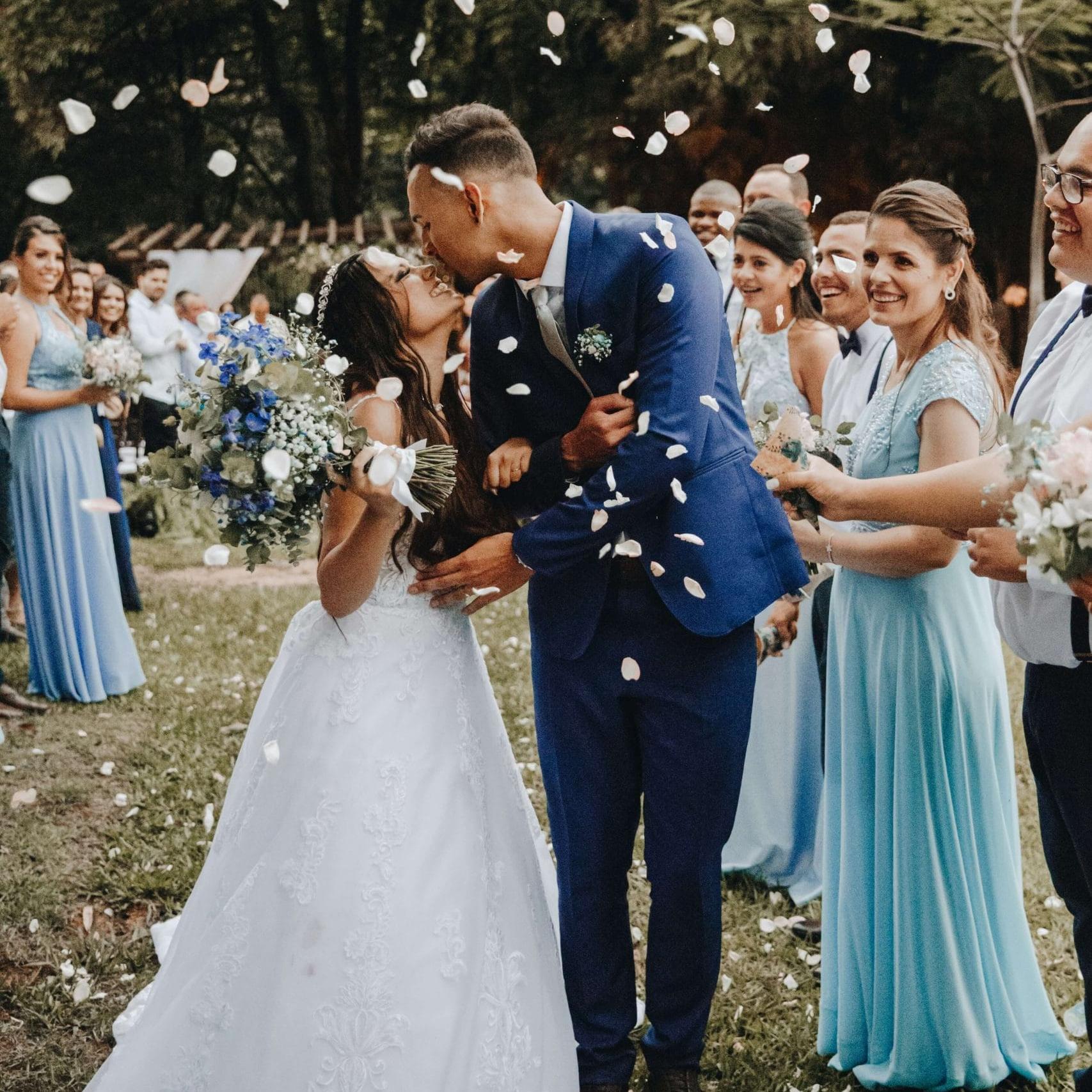
Your guest list and your venue go hand-in-hand. There’s no point falling in love with a venue that holds 80 people if you’re inviting 200. Conversely, a ballroom built for 300 can feel empty with 70 guests.
Small weddings (under 50 guests): Consider restaurants, boutique hotels, or private estates.
Medium weddings (50–150 guests): Country houses, barns, and many hotels fit this size perfectly.
Large weddings (150+ guests): Look to larger estates, hotels, or castles with expansive banqueting halls.
Some venues have minimum numbers, especially for weekend weddings. If you’re planning something smaller, ask about off-peak dates or weekday availability.
5. Visit multiple venues in person
Photos and VR tours are fantastic starting points (and save you time), but nothing replaces stepping into a space. When visiting:
- Pay attention to how it feels. Do you immediately feel excited? Comfortable? Inspired?
- Ask to see all spaces — ceremony room, reception hall, bar, guest rooms, gardens, and even bathrooms.
- Visit at the same time of day you’ll be using it, if possible. Lighting can make a huge difference.
- Take note of practicalities like parking, cloakrooms, and flow between spaces.
Bring a notebook or take photos — venues can blur together after a few visits.
6. Explore ceremony options
Not all venues offer on-site ceremonies, so check what’s possible.
Civil ceremonies: Can be held in registered venues approved by the HSE.
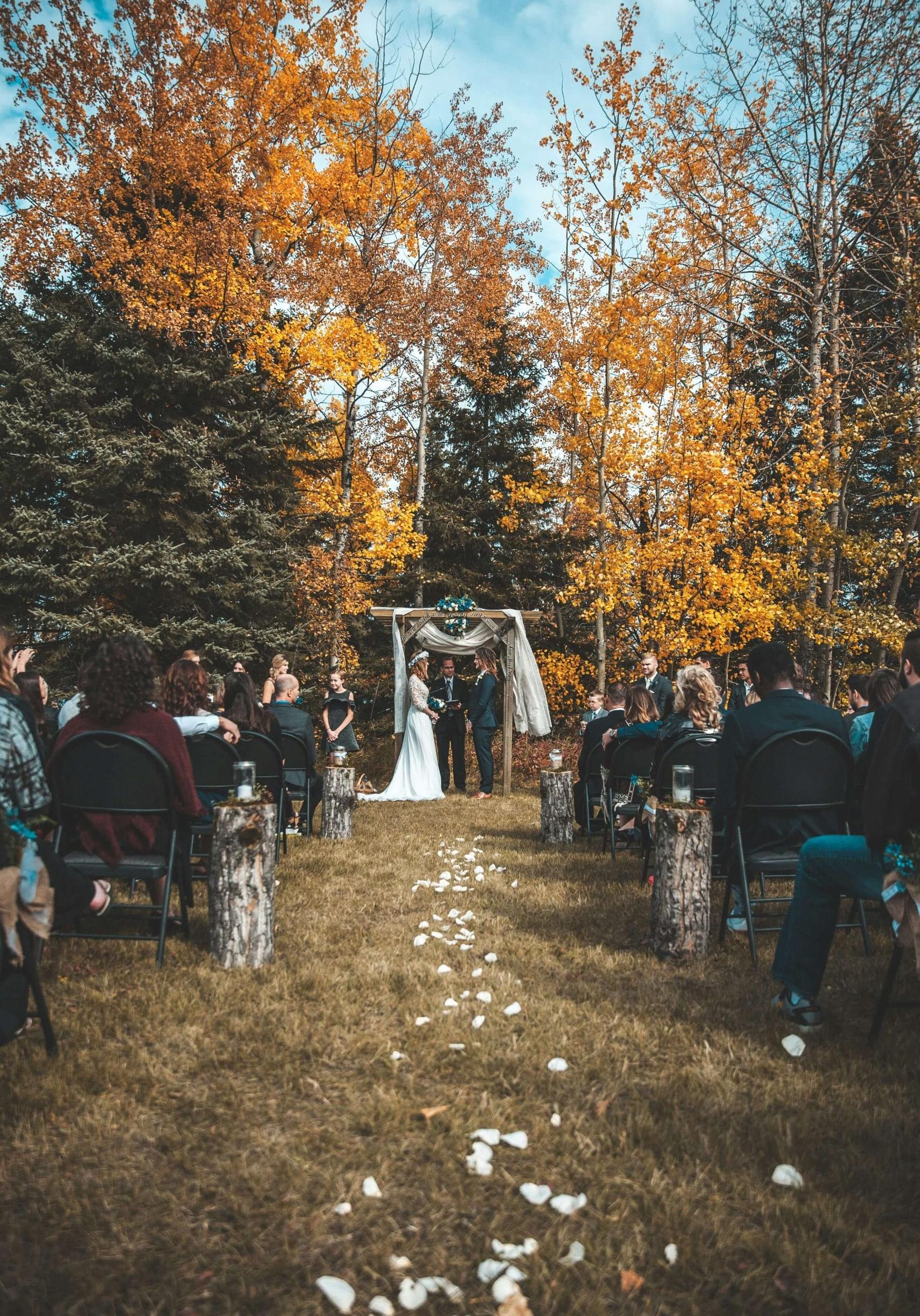
Spiritual or humanist ceremonies: Allowed in more flexible spaces like gardens, marquees, or woodlands.
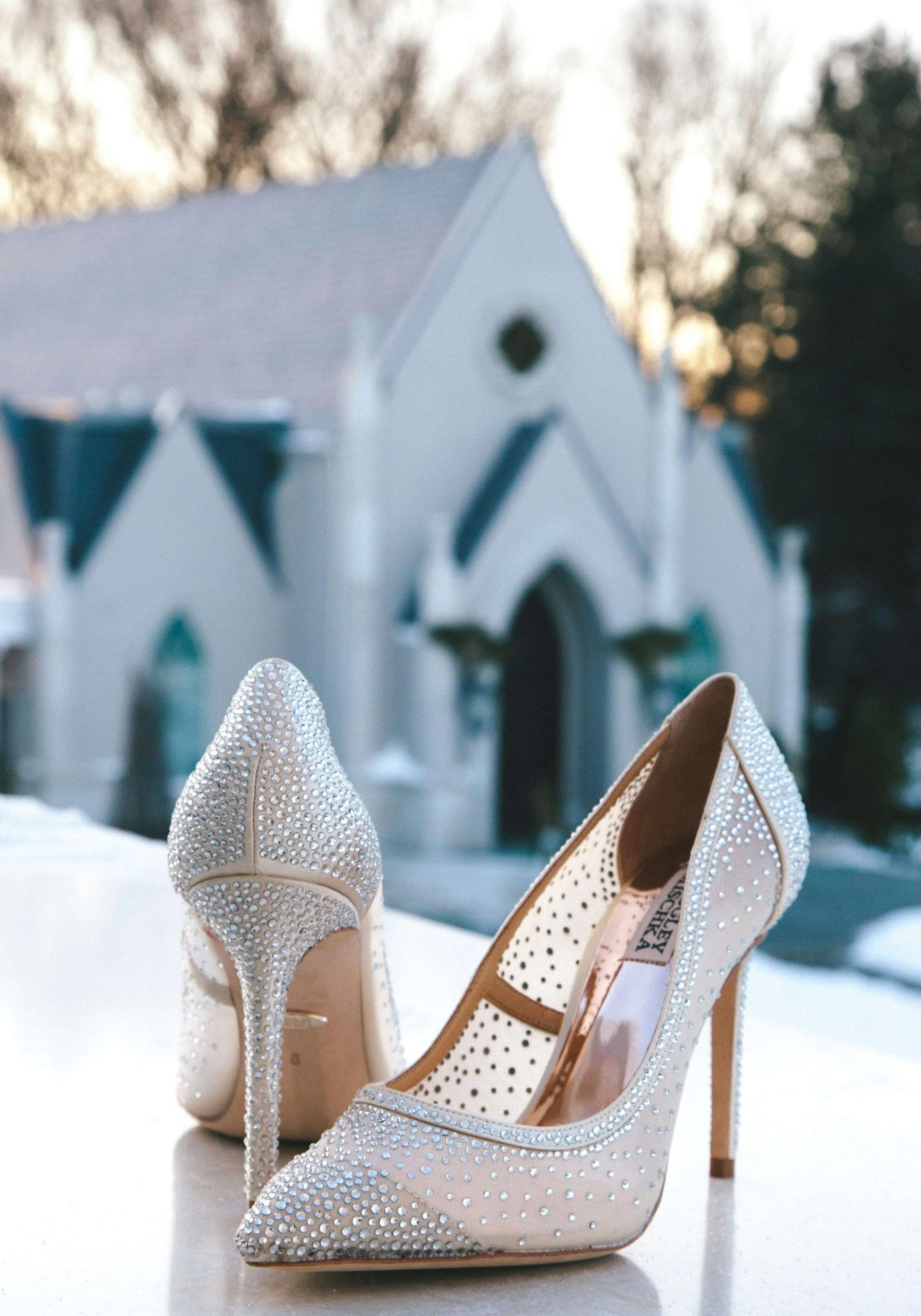
Religious ceremonies: Usually take place in churches or chapels nearby.
If an outdoor ceremony is on your wish list, always ask about backup indoor options. Irish rain has a mind of its own.
7. Catering and food experience
Food is often one of the things guests remember most. Some venues have in-house catering, others require you to bring in your own. Consider:
- Menu flexibility - can they cater for vegans, allergies, cultural requirements?
- Portion sizes and presentation.
- Tastings before the big day.
- Corkage fees if you want to bring your own wine.
Irish weddings traditionally include a multi-course dinner, but many couples are experimenting with food trucks, sharing platters, or late-night snacks. Ask if your venue allows this.
8. Style, décor, and restrictions
Some venues are stunning as-is, while others are a blank canvas. Think about how much effort you want to put into styling.
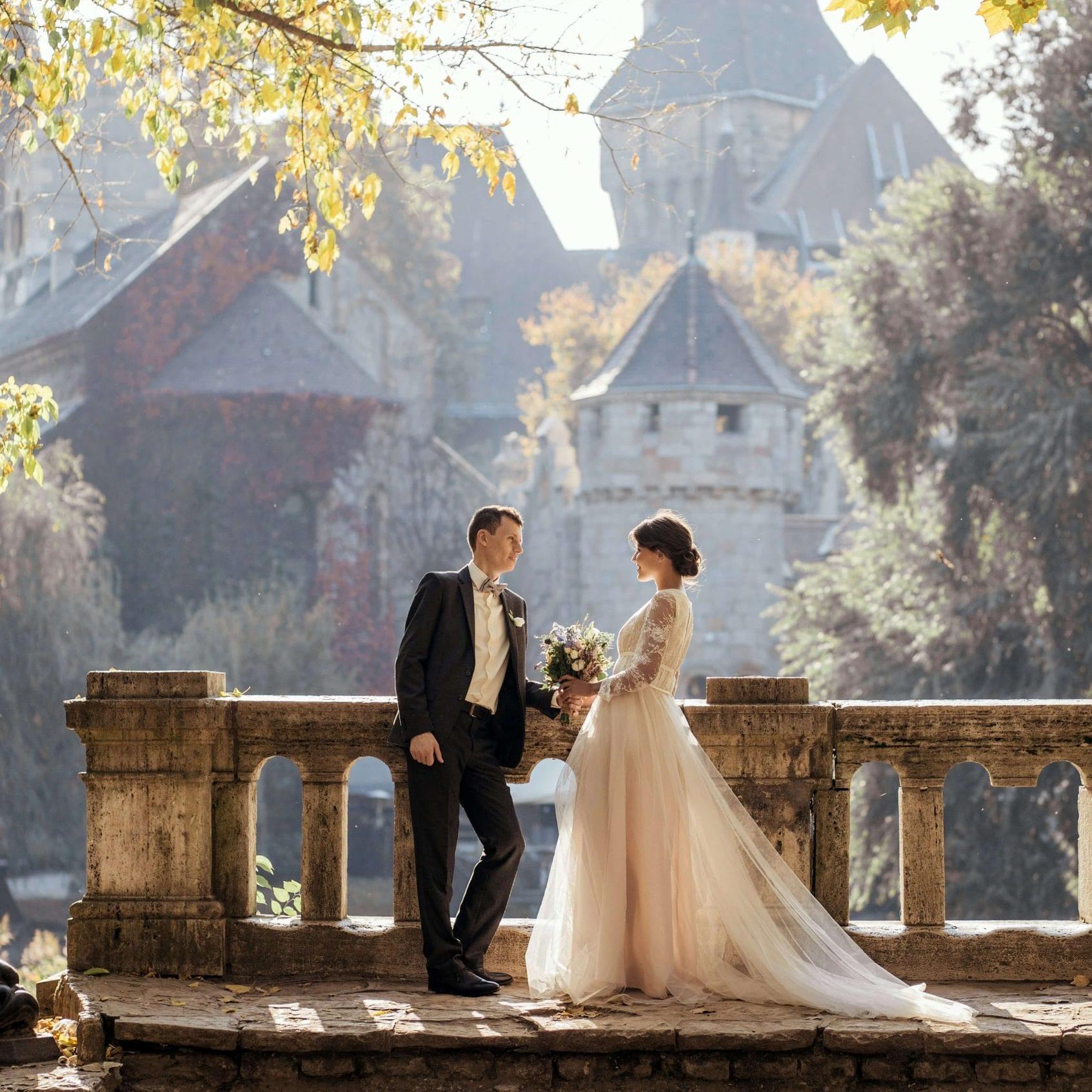
- A historic castle may not allow you to alter décor significantly.
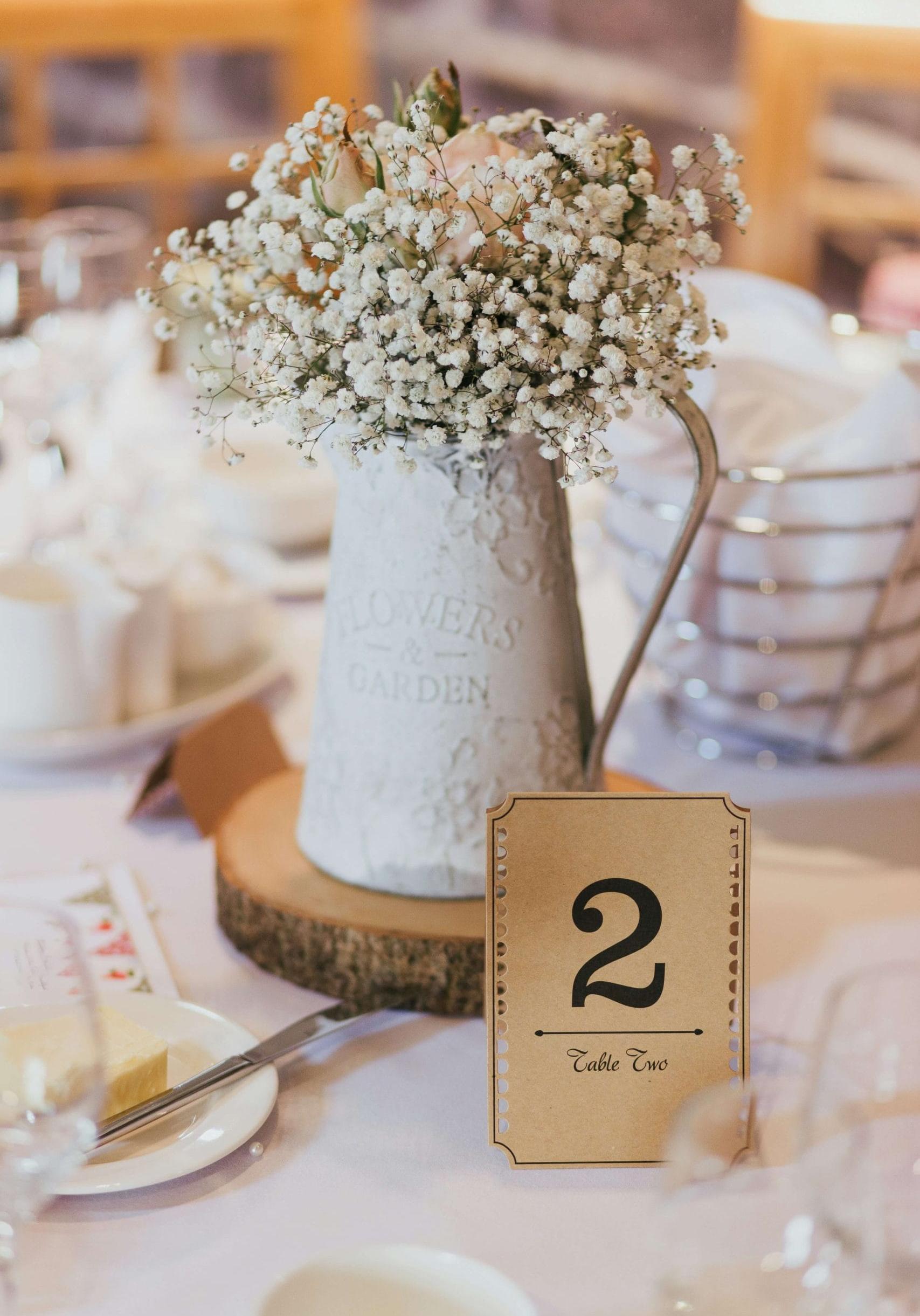
- A modern hotel might include chair covers, centrepieces, and table linen in the package.
- A barn might need additional lighting, draping, or furniture rental.
Ask specifically about restrictions: open flames, confetti, fireworks, or amplified music outdoors.
9. Seasonality and weather
Ireland’s seasons offer very different atmospheres:
Spring (March–May): Fresh blooms and mild weather. Ideal for garden weddings.
Summer (June–August): Longer days and outdoor potential, but also peak pricing.
Autumn (September–November): Warm colours and rustic charm.
Winter (December–February): Cosy fires, candlelight, and often better value packages.
Consider how your venue works in different seasons — will the gardens still be colourful in October? Does the ballroom feel warm in January?

10. Questions to ask every venue
To make sure there are no surprises, prepare a list of questions such as:
- What’s included in the package?
- What’s the deposit and cancellation policy?
- Do you host more than one wedding per day?
- Are there noise curfews or late-bar limits?
- Is accommodation available on-site or nearby?
- What’s the maximum and minimum guest count?
- What happens in case of bad weather?
- Who will be the point of contact on the day?
11. Don’t forget the emotional connection
Beyond logistics, your wedding is about feeling. Many couples say they “just knew” when they walked into their venue. Notice your gut reaction — did you imagine walking down the aisle there? Did you picture your guests laughing at dinner?
Trust your instincts. A technically perfect venue may not feel right, while a slightly less polished space might feel like home.
12. Making the decision
Once you’ve narrowed down your top choices:
- Revisit them if needed.
- Compare costs and inclusions side by side.
- Talk to past couples if you can find reviews or testimonials.
- Discuss with your partner what feels most “you.”
Remember: there’s no single “perfect” venue. There’s only the one that’s perfect for you, your budget, and your vision.
Conclusion
Choosing a wedding venue is a journey — one that blends practical decisions with deeply personal emotions. In Ireland, couples are lucky to have an incredible variety of options, from fairy-tale castles and windswept coastlines to chic city hotels and rustic barns. By starting with your vision, setting a budget, and asking the right questions, you can find a space that reflects your love story and makes your guests feel truly welcome.
Whether you’re planning a grand celebration in Dublin, a coastal ceremony in Clare, or an intimate gathering in Galway, the right venue will feel like the foundation of your wedding day. Take your time, trust your instincts, and enjoy the process — this is the moment your wedding dreams start becoming reality.