Civil, Humanist or Church Wedding?
Choosing the Right Ceremony in Ireland
One of the first major decisions you’ll make as a couple is how you want to get married.
In Ireland, there are three main ceremony types: church, civil and humanist. Each offers a different atmosphere, structure and level of personalisation.
There is no “right” choice — only the one that feels right for you.
Here’s what to consider before deciding.
Church Weddings in Ireland
For many couples, a church ceremony remains a meaningful and traditional choice.
What to Expect
- Formal religious structure
- Traditional vows and readings
- Ceremony held in a church
- Led by a priest or minister
Church weddings tend to follow a set format, although couples may have some flexibility with music and readings depending on the parish.
Who It Suits
- Couples with strong religious ties
- Families who value tradition
- Those who grew up in the church
Key Considerations
- You may need to complete pre-marriage courses
- There can be parish paperwork requirements
- Ceremony availability depends on church schedules
If faith and tradition are central to your relationship, a church ceremony can feel deeply meaningful.

Civil Ceremonies in Ireland
Civil ceremonies are legally binding, non-religious weddings conducted by a registrar.
What to Expect
- Legally recognised ceremony
- Neutral wording
- Shorter format (typically 20–30 minutes)
- Must take place in an approved venue
Civil ceremonies offer a clean and straightforward option.
Who It Suits
- Couples seeking a non-religious ceremony
- Those who prefer a simple legal structure
- Couples planning a more modern celebration
Key Considerations
- You must give at least three months’ notice to the HSE
- The venue must be approved for civil ceremonies
- Content must remain non-religious
Civil ceremonies provide flexibility within a legal framework.

Humanist Ceremonies in Ireland
Humanist ceremonies are legally recognised (when conducted by a registered celebrant) and offer more flexibility in tone and structure.
What to Expect
- Fully personalised ceremony
- Custom vows and readings
- Flexible location (subject to approval)
- Led by a trained celebrant
Humanist weddings allow couples to design a ceremony that reflects their relationship, values and personality.
Who It Suits
- Couples wanting a highly personal experience
- Those who prefer a non-religious but meaningful ceremony
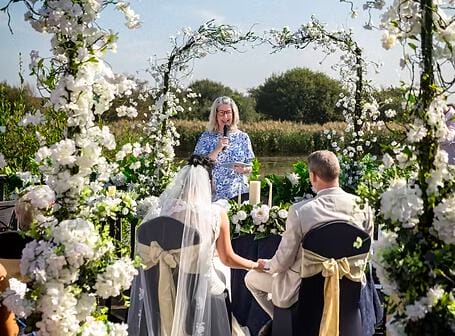
- Couples seeking outdoor ceremony options
Key Considerations
- Confirm your celebrant is legally registered
- Ensure the venue meets legal requirements
- Personalisation requires planning time
Humanist ceremonies are increasingly popular in Ireland due to their flexibility and inclusivity.

Light Legal Notes for All Ceremony Types
Regardless of ceremony type:
- You must give at least three months’ notice to the HSE
- Both partners must attend a notification appointment
- You’ll receive a Marriage Registration Form (MRF) before the wedding
- The ceremony must include legally required declarations
Always confirm details with your celebrant or registrar early in the planning process.
Questions to Help You Decide
Ask yourselves:
- Do we want a religious or non-religious ceremony?
- How important is tradition to us?
- Do we want full personalisation?
- Where do we want the ceremony to take place?
- How formal do we want the atmosphere to feel?
The answers will naturally guide you.
There Is No One-Size-Fits-All
Some couples prioritise tradition.
Others prioritise flexibility.
Some want simplicity.
Others want storytelling.
Your ceremony sets the tone for the entire day.
Choose the structure that reflects who you are — not what feels expected.
If you’re exploring non-religious or personalised options, browse experienced wedding celebrants in Ireland who can guide you through the process and help design a ceremony that reflects your relationship.
Frequently Asked Questions
Can you legally get married outdoors in Ireland?
Yes, if the venue is approved and the ceremony is conducted by a registered celebrant.
How long does a church wedding last?
Typically 45–60 minutes, depending on the format.
Are humanist ceremonies legally binding?
Yes, if conducted by a registered solemniser.
Do civil ceremonies have to be in a registry office?
No. They can take place in any approved venue.
When should we book our celebrant?
As early as possible, especially for summer dates, as availability can be limited.